policy
East Baton Rouge Budget Cuts Could Delay Mental Health, Food Assistance
How the parish government allocates its general fund directly determines whether residents can access mental health counseling, food assistance, and housing support this year.
How we reported this
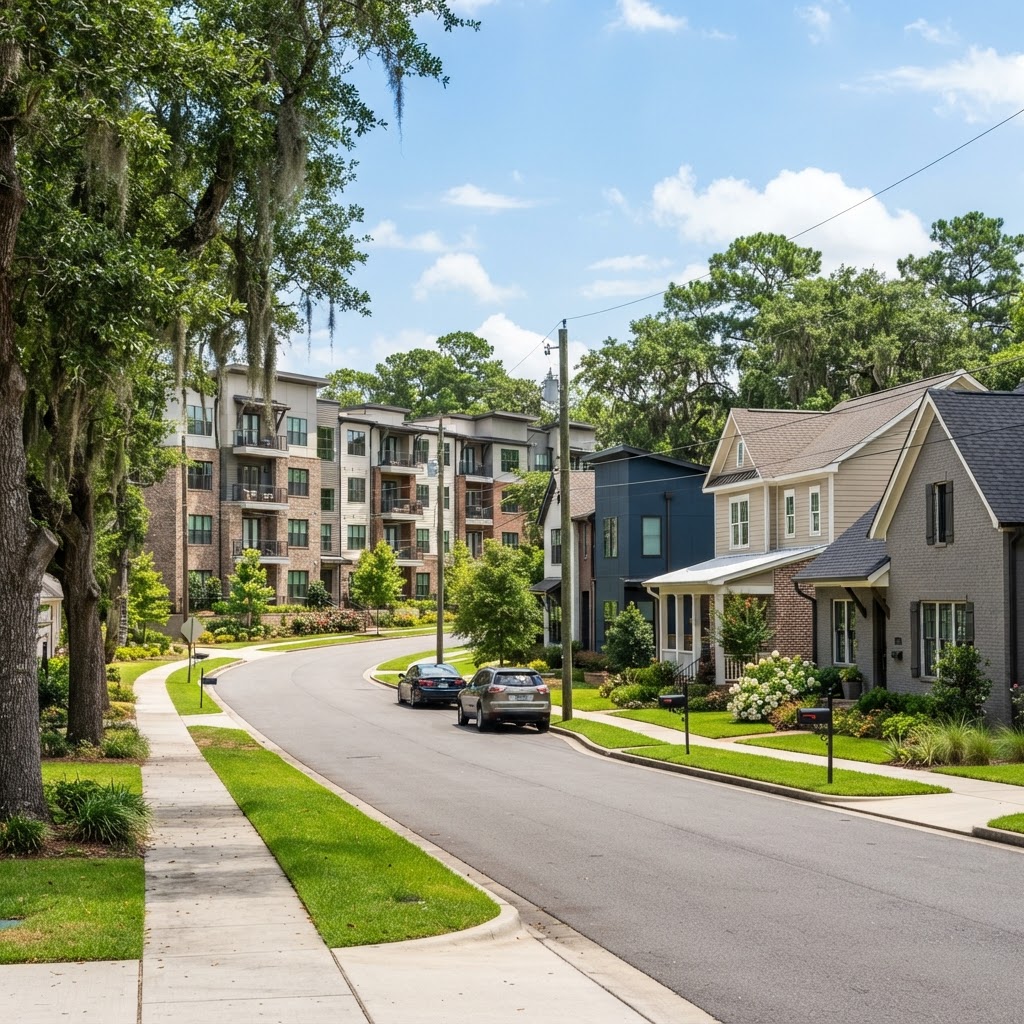
East Baton Rouge Parish's adopted fiscal year 2026 general fund budget of roughly $640 million sets the ceiling on what community services residents can actually use, from subsidized transit routes to behavioral health crisis units. Any reallocation of those dollars, even at the margins, ripples into daily life for the roughly 465,000 people who live in the parish. With parish leadership now holding mid-year budget review sessions, residents who depend on publicly funded social services are watching closely.
The timing matters for a specific reason. Federal funding that flowed through pandemic-era relief programs, including American Rescue Plan Act allocations, has largely expired or is in its final disbursement phase. East Baton Rouge, like many local governments, used those one-time dollars to staff up homeless outreach, expand mental health co-responder programs alongside the Baton Rouge Police Department, and shore up emergency food pantry networks. Parish finance officials have signaled that sustaining those programs now requires folding them into recurring local tax revenue, a structural shift that forces tradeoffs with roads, drainage, and public safety payroll.
Where the Money Goes and What It Touches
The social services slice of the parish budget flows through several channels. The East Baton Rouge Council on Aging operates largely on a mix of state Title III-B funding and local appropriations, providing meals, transportation, and in-home care to seniors. The parish also contracts with nonprofit providers, including the Capital Area Human Services District, which delivers mental health and substance use treatment to residents regardless of insurance status. Budget analysts note that contract-based service delivery means that even a five or ten percent cut to a nonprofit's annual agreement can force that organization to close a clinic day, reduce case manager caseloads, or eliminate transportation reimbursements for clients traveling to appointments on Plank Road or Airline Highway.
Property tax millages are the primary lever for local revenue in Louisiana's parish system. East Baton Rouge residents currently pay dedicated millages for purposes including the library system, the Mosquito and Rodent Control District, and public school construction. General social services are largely funded through the discretionary general fund, which is fed by sales tax receipts and state revenue sharing. Louisiana's 4.45 percent state sales tax, combined with the parish's additional rate, means that spending patterns at local retailers directly affect how much money the parish has available for social programs. When retail sales dip, as they did in the fourth quarter of 2024 according to Louisiana Department of Revenue data, social service contract budgets are among the first items reviewed for reduction.
What Residents Should Expect Through the Rest of 2026
Policy analysts who track Louisiana municipal finance say the mid-year review process this summer will likely produce modest adjustments rather than dramatic cuts, but the cumulative effect of several small reductions can eliminate a program entirely at the street level. The Capital Area Transit System, which serves low-income and transit-dependent riders across the parish, is funded in part through a dedicated sales tax renewed by voters in 2021. That dedicated structure insulates it somewhat from general fund pressure, but service frequency and route expansion remain dependent on discretionary capital appropriations.
For residents relying on publicly funded mental health services, the most consequential near-term question is whether the parish renews and fully funds its contract with the Capital Area Human Services District at current service levels. The district served more than 14,000 unduplicated clients in fiscal year 2024, according to its annual report. A gap in that contract, even temporary, would push those residents toward Baton Rouge General and Our Lady of the Lake emergency departments, which carry their own cost implications for the parish's uncompensated care exposure.
Parish council members are expected to take up a formal budget amendment resolution before September 30, the close of the fiscal year. Residents can review budget documents and submit public comment through the East Baton Rouge Parish Finance Department, which posts line-item expenditure reports on the parish government's official website. Nonprofit service providers who contract with the parish are also expected to present service utilization data to the Metropolitan Council during that same period, giving the public a direct window into which programs are meeting demand and which are operating under capacity constraints.