lifestyle
Baton Rouge's Unique Coffee Culture Thrives Amid Global Standardization
While international markets grapple with standardized trends, Baton Rouge preserves a unique caffeinated identity rooted in Southern hospitality and heritage.
How we reported this
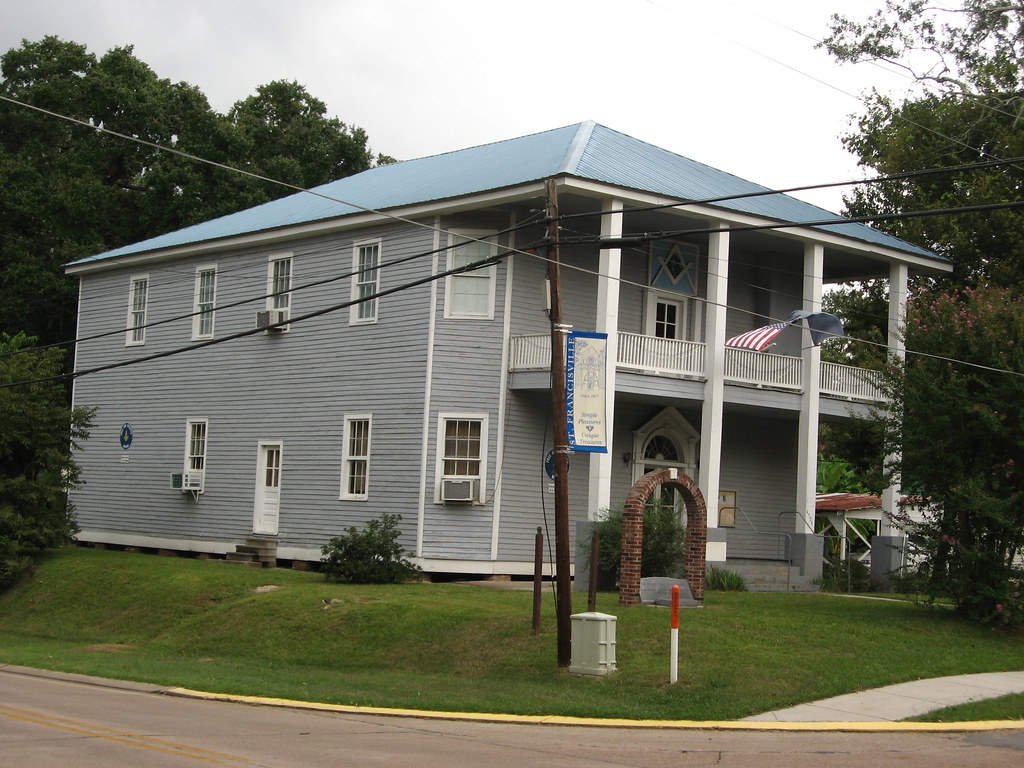
Baton Rouge’s coffee scene is currently undergoing a shift, moving away from the rapid-fire industrialization seen in global commercial hubs and toward a hyper-local model that favors historical preservation over homogeneity. As consumers worldwide become increasingly critical of mass-produced chains, local roasters in the capital city are leaning into a distinctive blend of community-centered spaces that mirror the city’s unique socio-cultural rhythm.
The Intersection of History and Modernity
The city's approach to the morning routine is tethered to its geography, particularly in neighborhoods like Beauregard Town and the historic Spanish Town. Unlike the sterile, minimalist aesthetics trending in cities like Tehran or the rapidly modernizing districts of Hanoi, Baton Rouge cafes often operate within repurposed structures that maintain the architectural integrity of the region. Local establishments such as City Roots Coffee Bar on Government Street exemplify this commitment, prioritizing a connection between the beans sourced from abroad and the neighborhood fabric of the mid-city area.
This reliance on place-based identity serves as a buffer against the global trend of commoditized coffee culture. In many major international cities, the black market for luxury goods-ranging from counterfeit designer items to standardized beverage franchising-has created a paradox where storefronts often look identical regardless of their location. Baton Rouge, however, remains defined by a specific set of local roasters and independent shops that reject this uniformity, favoring instead a collaborative environment that mirrors the city's broader hospitality industry.
Quality and Community Standards
The sustainability of these independent operations is evidenced by the consistent demand for specialty-grade production. While international markets have seen volatility in supply chain costs due to global geopolitical instability, the local Baton Rouge market has sustained growth through a focused commitment to small-batch roasting. Many of these businesses participate in regional initiatives facilitated by the Arts Council of Greater Baton Rouge, which underscores the integration of the culinary arts with the local creative economy.
For those looking to explore this specific facet of the city, the practical advice remains the same: follow the roasting schedule. The most vibrant activity often occurs mid-week when roasters transition from wholesale fulfillment to direct customer service. Visiting shops like French Truck Coffee near the Garden District provides a clear contrast to international benchmarks, offering a menu that emphasizes locally inspired flavor profiles rather than the generic offerings found in transient travel corridors.
As global disruptions continue to affect the price of imported green coffee, the resilience of Baton Rouge’s independent operators remains a point of observation for local business analysts. Those seeking the true character of the city should look toward the long-standing institutions that have resisted the urge to scale nationally, preferring instead to anchor themselves in the specific streets and neighborhoods that form the heart of the capital.